
Musculoskeletal disorder claims
Pain from repetitive work? Find out if you have a workers' comp claim.
Musculoskeletal disorders such as herniated discs, rotator cuff tears, and knee conditions that were caused or made worse by the physical demands of work can be recognized as work-related.
Conditions that started or got worse at work: we look at the link to your job.
Lifting heavy objects or repeating the same motion can strain your muscles, tendons, and joints. We review what work you did and for how long, and when your symptoms started or got worse.
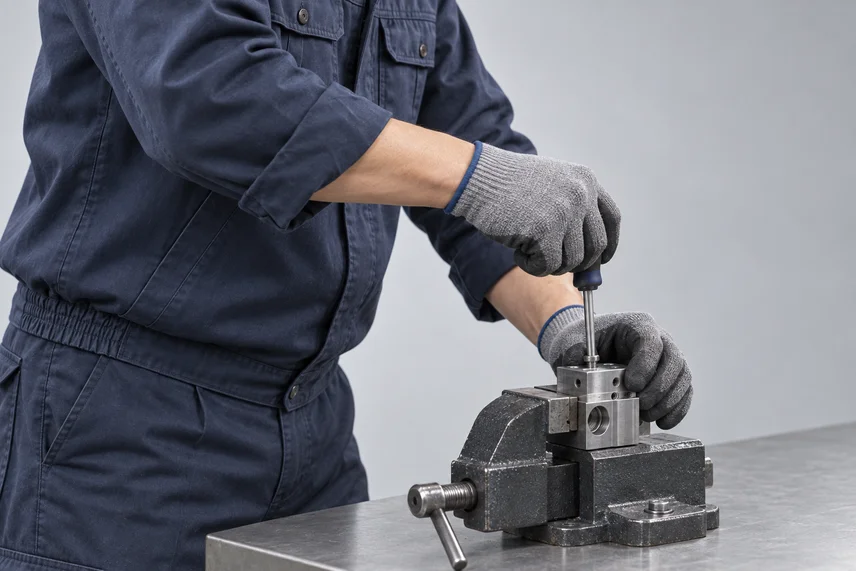
Degenerative changes or past treatment alone don't mean your claim will be denied.
Conditions and work demands by body part
Each body part calls for a different look at the physical demands of work.
Lower back
Herniated discs and lumbar spine disorders Lifting and carrying heavy objects, bending and twisting at the waist, whole-body vibration
Neck
Herniated discs and cervical spine disorders Bending the neck forward, tilting it back, or turning it; holding awkward postures for long periods
Shoulder
Rotator cuff tears and impingement syndrome Work with the arms raised high or overhead, repeated pushing and pulling
Knee
Meniscus tears and joint disorders Squatting and kneeling, moving on stairs and slopes, carrying heavy loads
Ankle and foot
Ankle, foot, hip, and similar conditions Walking, standing, uneven ground, repetitive strain, and distinguishing accidents from illnesses
Elbow
Epicondylitis and similar conditions Forceful gripping, work that repeatedly uses or twists the arm and wrist
Hand and wrist
Carpal tunnel syndrome and finger conditions Bending, extending, or twisting the wrist, repeated forceful exertion, use of vibrating tools
Along with the diagnosis, we look at the postures, movements, and workload you repeated day to day.
How the symptoms started
Sudden injury or long-term strain: we start with how it happened.
We look at what was happening when your symptoms began, along with your work history.
If it suddenly hurt during a specific task
We check the movement and circumstances when the pain started, and the injury shown in your medical records. Movement
at the time · What happened · Medical records
If the pain built up from repetitive work
We review your full work history and job duties to confirm the physical strain that built up
over time. Work history · Job duties · Cumulative strain
If a musculoskeletal disorder developed after an accident
We review the MRI readings and whether you did physically demanding work to decide whether it's an accidental injury or a disease.
Job duties · Cumulative strain · Medical records
Matching work records with medical records
We review work videos, measurements, and medical records.
We use records to confirm the actual physical demands of the work and how your symptoms started and got worse, then describe them in detail in the accident report.
We look at the actual work
We use videos and photos that represent the work to check posture and movement. We also look at work cycles, the weight of objects and how often they're handled, time spent on each process, breaks, and staffing.
We break down each task's share
We identify how much time each task takes and what proportion of the workday it represents. We don't treat one snapshot of the hardest moment as the whole day's work. We confirm how often the work actually repeats and how long it lasts.
We compare your medical records and history
We check imaging, surgical records, and past treatment, and compare when your symptoms started or got worse against your work history.
We describe the work demands we confirmed, your medical records, and when your symptoms started and got worse in detail in the accident report.
Degenerative changes and denial review
Told it's degenerative, or was your claim denied? We look at the reasons behind the decision.
We check whether a preexisting condition was made worse by your work, and whether the actual physical demands of the job were fully considered.
Was the actual work reflected?
We check whether the work hours, postures, and weights identified by KCOMWEL, match your actual job.
Was any work strain left out?
We look for missing work history at previous workplaces, or tasks that strained the affected body part.
Was the worsening reviewed?
We review work strain and changes in your symptoms alongside the natural progression of the preexisting condition and any other causes.
We also separately review additional conditions found during treatment and any disability that remains after recovery.
How Sobaek helps
From organizing your work history to handling the investigation, Sobaek is with you.
- STEP 01

Review medical and work records
We compare your work history with your treatment history and lay out the work strain on each body part.
- STEP 02

Accident report and opinion letter
We connect work postures, hours, and weights to the course of your symptoms to explain work-relatedness.
- STEP 03

Site investigation and supplemental evidence
We attend the investigation with you, and use supporting evidence to correct anything recorded differently from the actual work or left out.
Frequently asked questions
Musculoskeletal disorder claims: frequently asked questions
I was told my condition is degenerative. Can I still file a workers' comp claim?
Degenerative diseases can also be recognized as work-related. Common examples are spinal stenosis and degenerative arthritis. That said, you need an accurate diagnosis, and specialists on the Occupational Disease Adjudication Committee review cases strictly, so you'll need to prove the physical demands of your work.
I've worked at several companies. Which work history should I prepare?
Many people are diagnosed with a musculoskeletal disease after years of cumulative exposure. So we review your entire work history, identify your specific duties and physical strain, and then check for any gaps in employment and when you last worked.
Can I get a consultation without photos or videos of my work?
Yes. We can refer to accident investigation cases, photos, and videos from similar jobs, and when needed, we visit the workplace to take photos and video ourselves.
Request a consultation on a workers' comp or labor case
Tell us what work you've done over the years, and where and how much it hurts.
Share your diagnosis, work history, and when your symptoms started. In a consultation, we'll tell you what records you need and how we'll review your case.
You can also email us directly
For corporate advisory work, new cases, or meeting requests,
email us at the address below.